
and Validation
Report
Insight That Drives Impact
Understanding Challenges | Measuring Impact | Shaping Solutions
At iAfrica Cloud School Foundation, we believe that knowledge powers transformation. Our work in underserved communities is not based on assumptions — it’s guided by deep research, field reports, and real-world insights.
Through our research and reporting efforts, we aim to understand the educational barriers marginalized groups face, measure the impact of our interventions, and inform better solutions for lasting change.
Abstracts
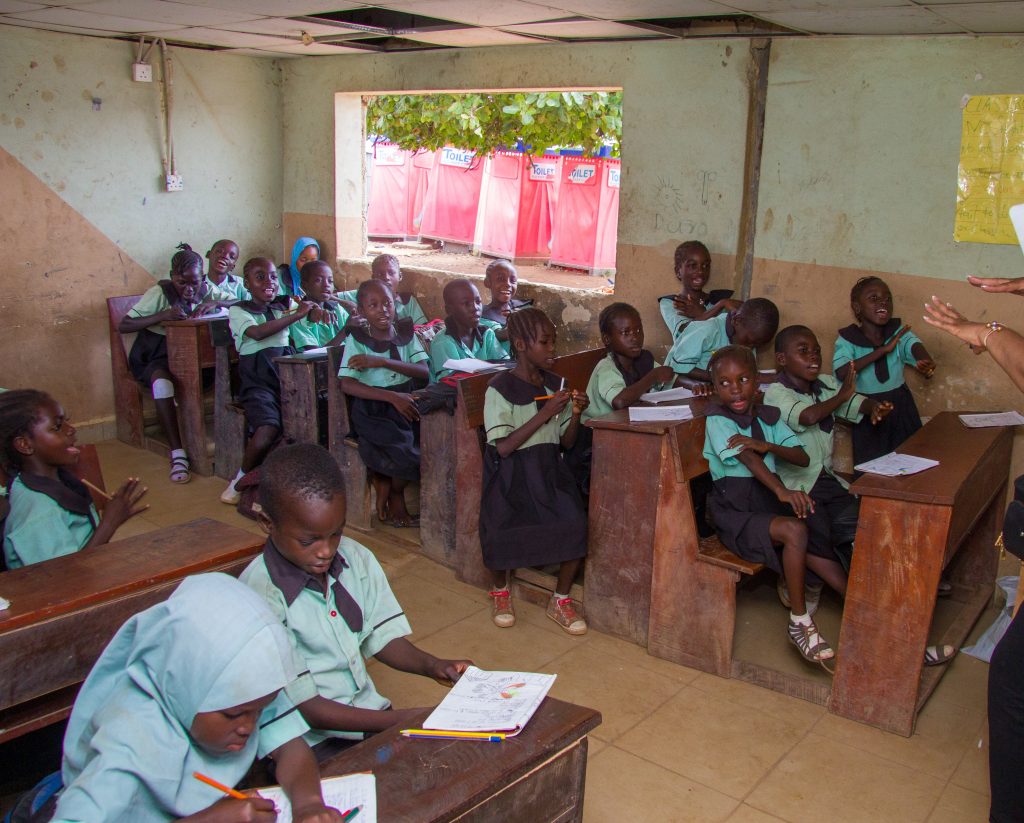
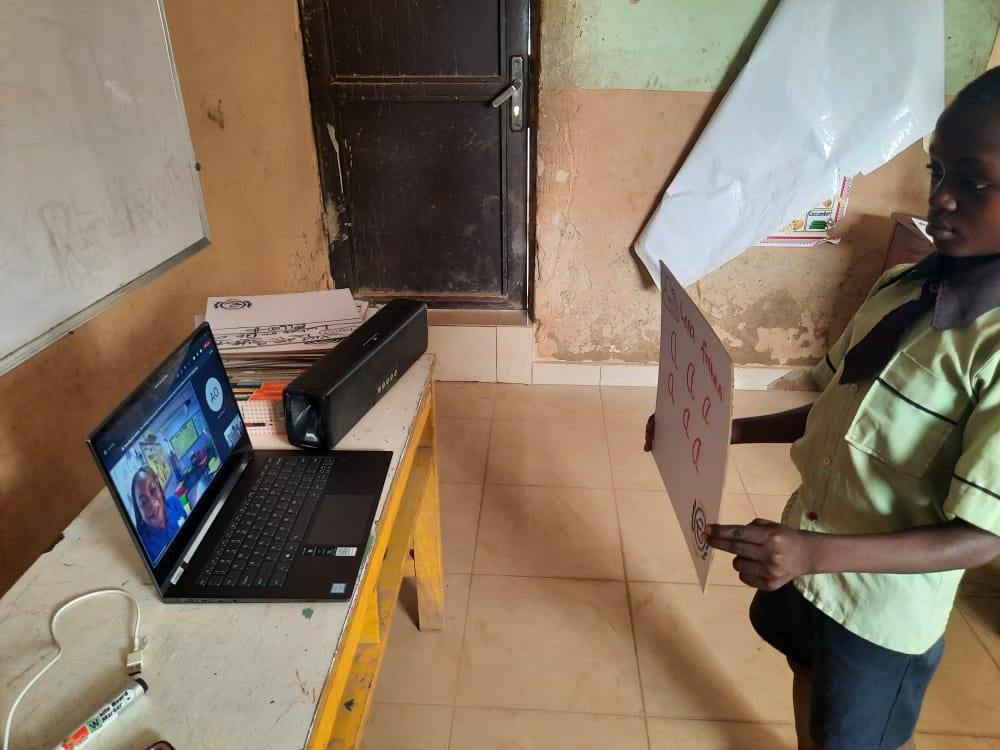
Nigeria faces a significant educational crisis, with millions of children and women lacking access to quality education. This report outlines the iAfrica Cloud School Foundation’s inclusive, tech-driven approach to bridging literacy gaps and improving learning experiences across low-income communities, private schools, and underserved populations. By integrating teacher training, digital tools, community partnerships, and culturally relevant learning models, the Foundation is transforming how education is delivered to out-of-school children, second-chance women, and marginalized learners.
Introduction
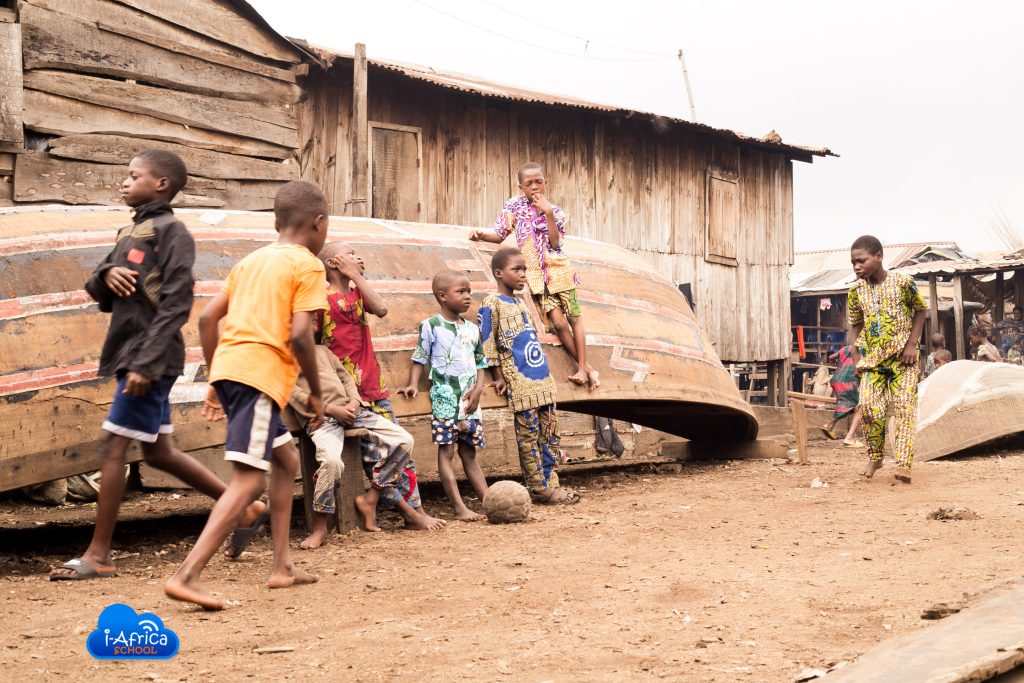
Education is a fundamental human right and a cornerstone of sustainable development. Despite national policies promoting free and compulsory education, millions of Nigerian children remain out of school. The situation is particularly dire for girls, Almajiri children, youth in IDP camps, and those living in last-mile communities. The iAfrica Cloud School Foundation, founded in 2021 following the COVID-19 disruption, provides innovative, cloud-based education solutions and localized community learning clusters to fill these critical gaps.
Problem Statement
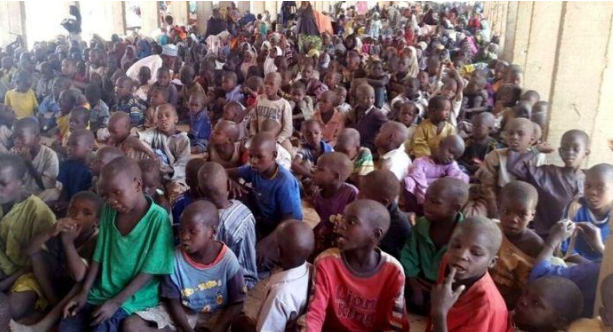
- Out-of-School Children and the Almajiri System: Nigeria is home to the world’s largest population of out-of-school children, estimated between 18.5 and 20.1 million.
Challenges Faced by Women and Girls: Millions of women and girls are denied educational opportunities due to gender-based violence, early marriage, and socio-economic barriers.
Poor Teaching Methodologies and Low-Income Private Schools
Many low-income private schools operate with undertrained teachers, inadequate infrastructure, and outdated pedagogies. This results in poor literacy outcomes and low student engagement.
The iAfrica Cloud School Foundation Model
Mission
To bridge educational disparities in underserved communities through technology, capacity building, and community-centered learning.
Objectives
- Provide inclusive, cloud-based learning for children and youth.
- Improve teaching standards through structured training.
- Reach marginalized populations including IDPs, Almajiri children, and second-chance women.
- Create community learning hubs and digital access points in slums and rural areas.
Strategic Programs and Approaches
Community Learning Clusters
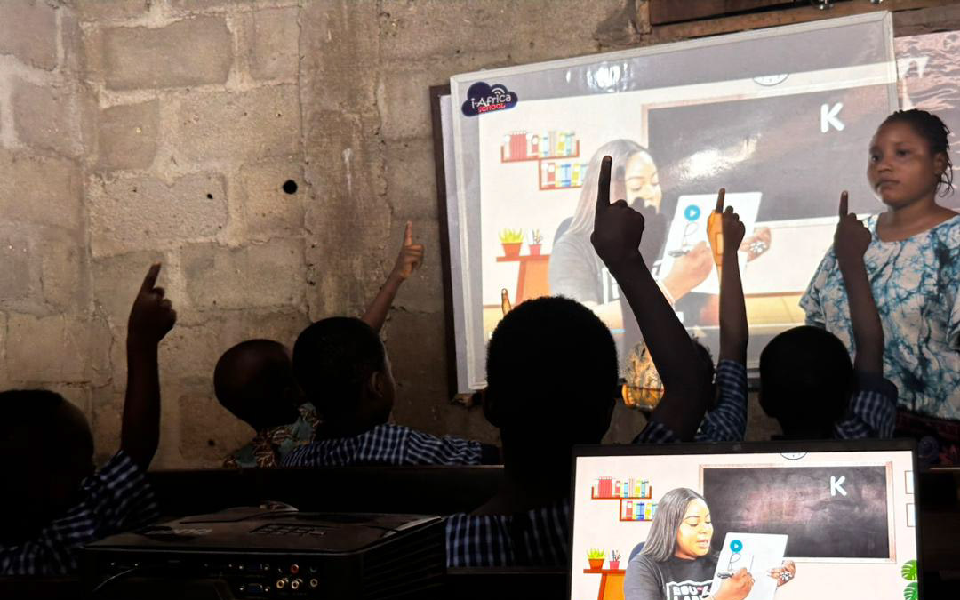
Community centers established in locations such as Makoko, Ajegunle, Ohafia, and Kuchingoro IDP Camp provide:
- Safe, technology-enabled learning spaces
- Literacy instruction in Hausa, Arabic, and English
- Play-based and inquiry-driven learning
- Cultural immersion and bilingual learning models
Digital Learning Infrastructure
- Microsoft Teams-integrated LMS
- Pre-recorded and live virtual classes
- AI-powered assessments and dashboards
- Offline-compatible learning modules
Teacher Training and Pedagogical Innovation
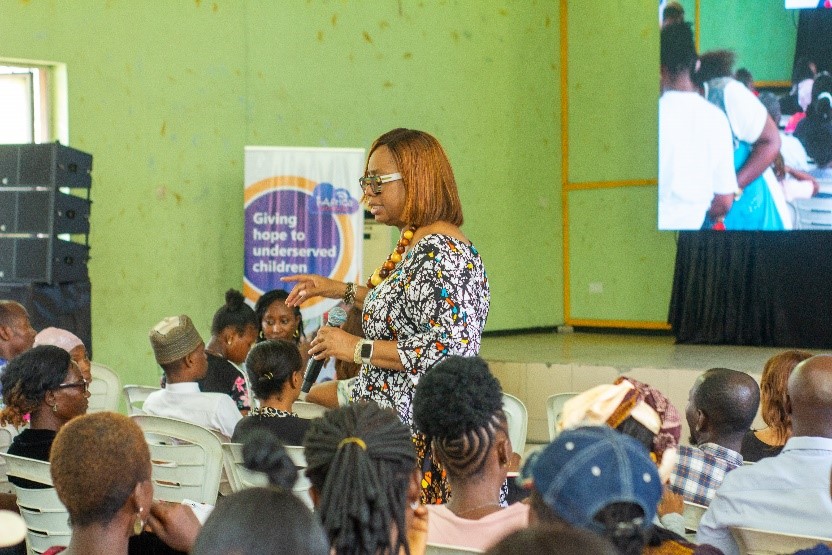
- Monthly hybrid boot camps for educators
- Certification in Digital Education
- Instructional design training and mentorship
- Application of Finnish and student-centered models
Skills and Vocational Programs
- Training in entrepreneurship and digital skills
- Partnerships with local artisans and businesses
- Second-chance education for women and victims of trafficking
Impact and Validation
- Over 1,300 students enrolled as of 2022 (pilot phase) and the number are over 4000 as of today(2025)
- Teacher training programs reaching 50+ educators monthly, 500+ teachers trained Ajegunle community
- Digitally equipped schools in Ajegunle, Makoko and Ohafia
- Second-chance education access for women and Almajiri children
- Revitalized low-income private schools through digital content and mentorship
- Documented learning gains in reading and comprehension in Makoko and Ajegunle
- AI-integrated learning has improved learner performance and engagement
Challenges and Limitations
- Limited access to devices and internet in rural areas
- Inconsistent power supply and connectivity
- Gaps in teacher capacity in some partner schools
- Need for long-term investment and scalable infrastructure
Future Plans and Recommendations
- Deploy a custom iAfrica mobile LMS app with low-data mode
- Expand training to public school teachers and private school proprietors
- Establish new community learning clusters in the North-East and Niger Delta
- Scale partnerships with government, NGOs, and international donors
- Advocate for inclusive education policies at the federal and state levels
Conclusion
The iAfrica Cloud School Foundation is transforming education for Nigeria’s underserved communities. Through a dynamic blend of technology, pedagogy, and partnership, it offers a scalable and inclusive model for addressing literacy, teacher quality, and digital exclusion. As iAfrica continues to grow, its approach stands as a beacon for future-focused, community-led education reform across Africa.